Camera Trap Deployment - Practical Guide
Section outline
-
Camera traps have increasingly become a fundamental tool for wildlife research and conservation. Researchers and enthusiasts alike use them for a wide range of activities: from long-term monitoring of local species and ecosystem health to studying animal behavior, estimating populations, and training artificial intelligence models for wildlife protection. As these devices have become more affordable and easier to set up, there has been a proliferation of supporting resources, including practical guides, standardized protocols, analysis software, programming packages, and open-source AI tools.
This guide is not intended to replace those resources or serve as an exhaustive theoretical manual on camera trapping. Instead, it acts as a practical and hands-on companion, complemented by the BMD video tutorial. We have gathered operational tips, field-tested tricks, and insights gained from long-term projects across diverse environments. By combining the scientific rigor of industry literature with direct field experience, this guide provides the practical information you need to work effectively in the wild.
-
-
Citation: Beukes, M., Ziber, R., Raes, N., & Lennart, S. (2026). BMD Practical Guide to Camera Trap Surveys. Zenodo. https://doi.org/10.5281/zenodo.23011585
-
-
-
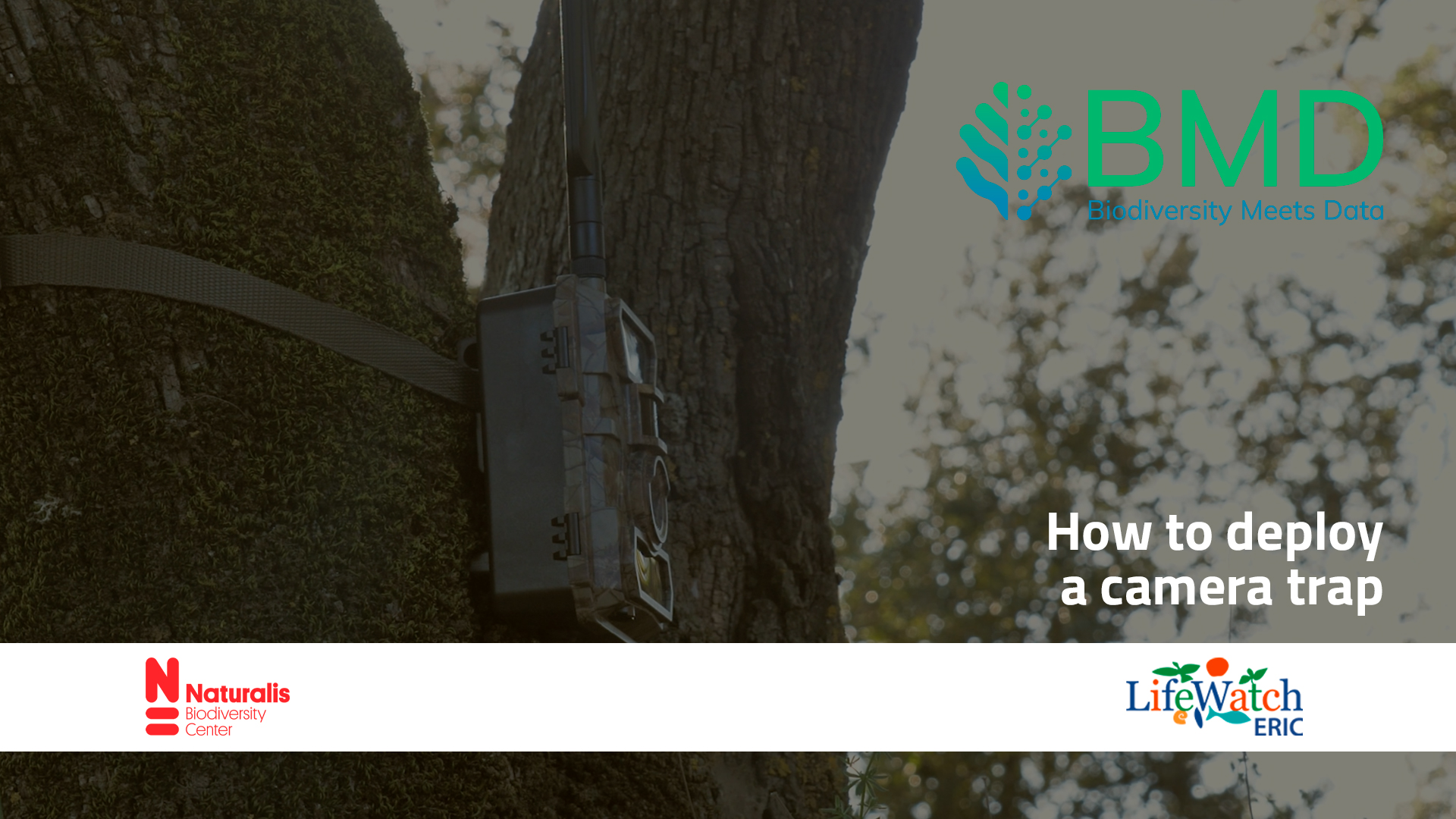
This practical video tutorial offers a step-by-step guide to configuring and deploying a trail camera for wildlife monitoring and site surveillance. It covers essential topics including hardware installation, cellular connectivity, memory card management, optimal camera settings, and actionable strategies to minimize false triggers caused by environmental factors such as strong winds.
-