






Welcome to the
LifeWatch ERIC Training Platform!
LifeWatch ERIC Training Platform
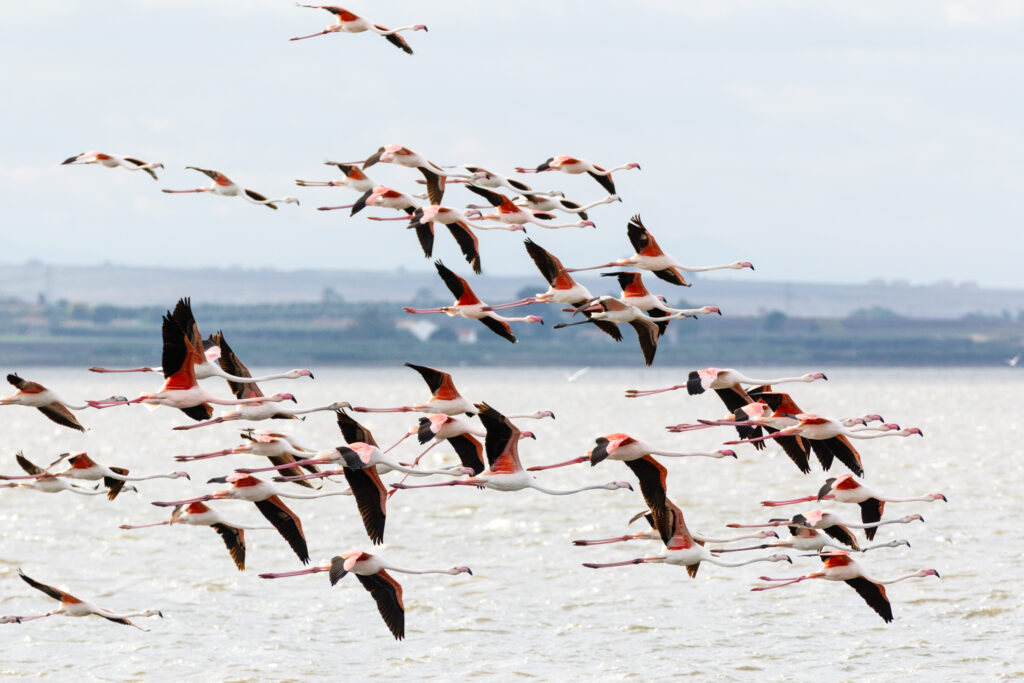
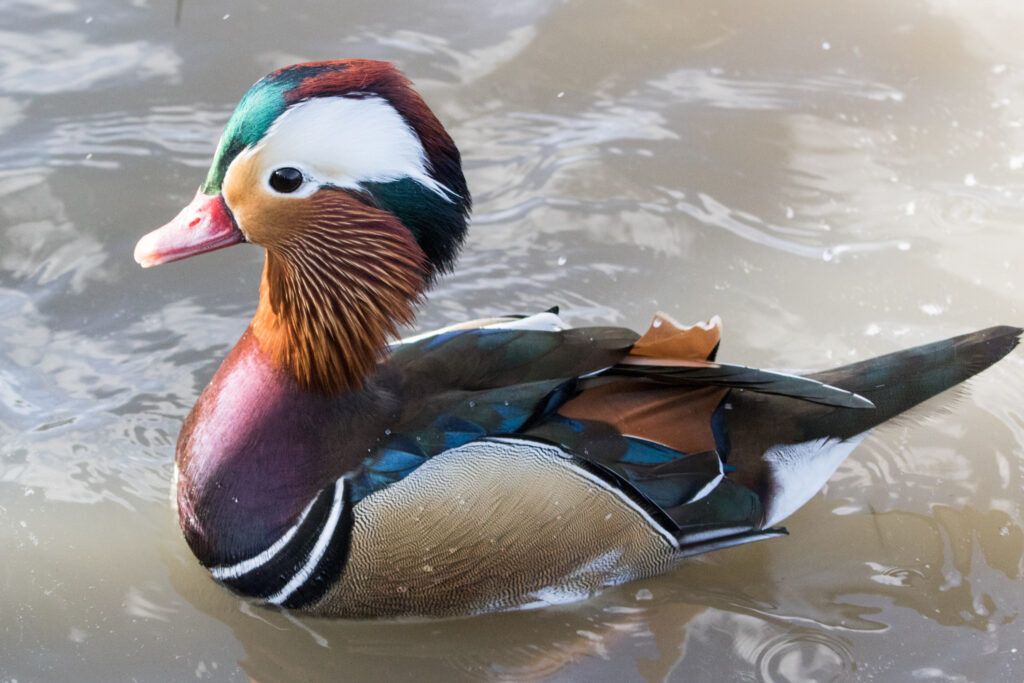
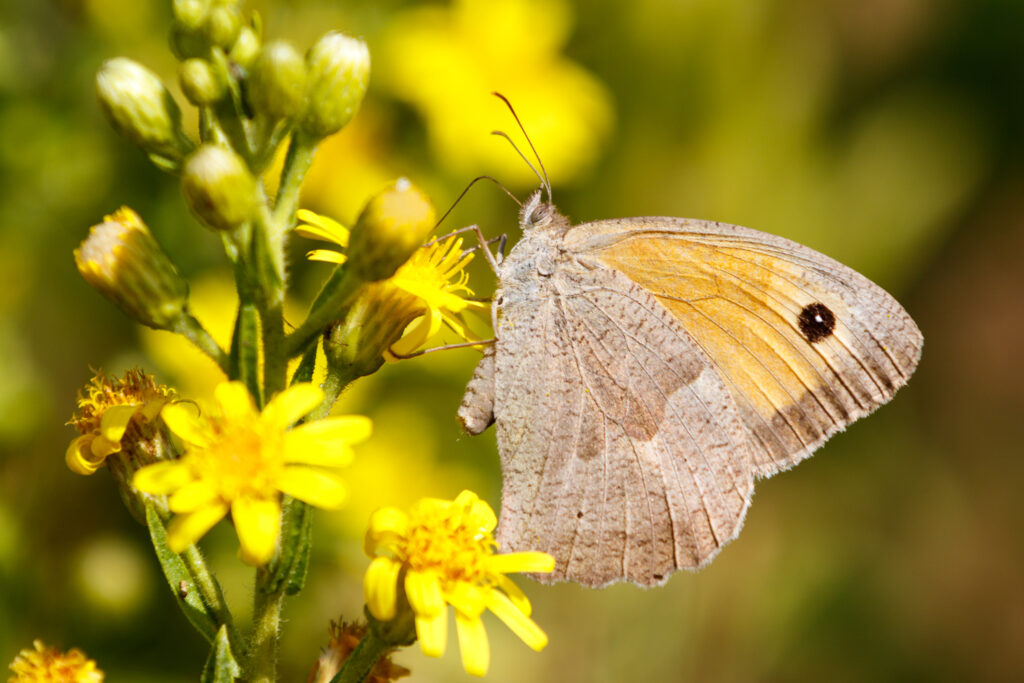
LifeWatch ERIC promotes training, learning and education for research infrastructure users, researchers, school students and citizens in general, developing bioinformatics skills and engaging citizens in biodiversity and ecosystem research. The LifeWatch ERIC training platform offers targeted content for a wide range of users. Hover over the icons above to read a brief description of what you can find in each category.
Search for a resource
News and Initiatives
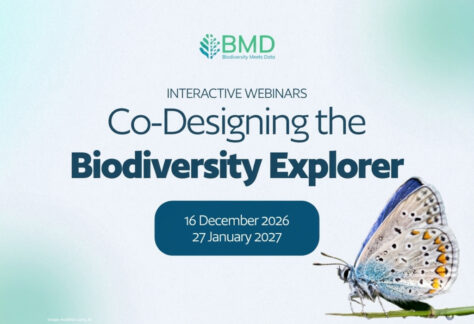
How can BMD’s Biodiversity Explorer be designed to suit your needs best? Share your thoughts in our interactive webinars
The BMD project is excited to present the latest version of the BMD Biodiversity Explorer, and we would love to hear what you think about our one-stop digital platform for biodiversity data and analyses in its current stage! In the two upcoming interactive webinars, organised by Royal Botanic Garden Edinburgh and led by LifeWatch ERIC, you can hear from the Biodiversity Explorer developers directly and get a first look at the new visualisation and functional elements of the platform. The current design has already been shaped by stakeholders, such as conservation practitioners and policy makers from across Europe, through previous...
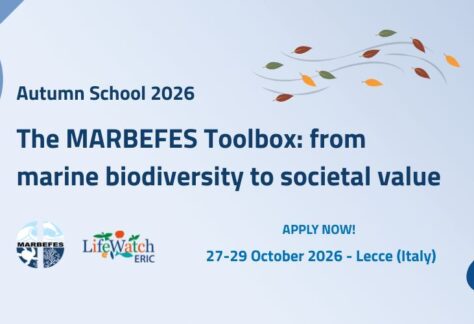
MARBEFES Autumn School 2026
You can now register for the MARBEFES Autumn School 2026, dedicated to the connection between marine biodiversity and societal value! The MARBEFES project (MARine Biodiversity and Ecosystem Functioning leading to Ecosystem Services) is hosting the new edition of its Autumn School from 27 to 29 October 2026, in Lecce, Italy. The Autumn School 2026 will host 20 participants selected among the applicants, covering travel and accommodation expenses. During this 3-day School, you will learn how to use decision-support tools from the MARBEFES Toolbox and apply them to real marine management challenges: Day 1: ecological tools; Day 2: valuation and cross-cutting tools;...
EVERSE Webinar: a Training Catalogue for Research Software Quality
Training materials on research software quality are often scattered across different platforms and formats, which can sometimes make it hard to find what you’re looking for. This EVERSE Network webinar introduces EVERSE Training, a training catalogue for early-career scientists and engineers, designed as a one-stop-shop for trainees to discover content (such as course materials, tutorials, workshops and schools) and for trainers to showcase their work. During this webinar we’ll be exploring how and why EVERSE Training came to be, including: The underlying infrastructure behind EVERSE Training — open-source software, TeSS (Training e-Support System) and the mTeSS-X project, which the catalogue is a part of; Metadata...
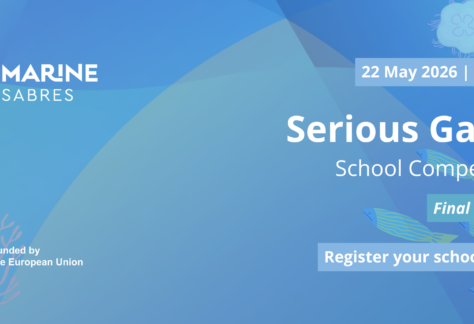
Marine SABRES School Competition 2026
Marine SABRES is launching the third and final edition of its Serious Game School Competition, inviting secondary schools across Europe to take part in a unique learning experience focused on the ocean. The event will take place online, on Friday, 22 May 2026, in occasion of the International Day for Biological Diversity and the European Maritime Day, from 09:00 to 17:00 CEST. Over the course of the day, students will explore ways human communities can manage, protect, and benefit from marine ecosystems through an online serious game developed together with a European network of researchers This initiative is designed for teachers of natural and social sciences, English and CLIL, citizenship, and environmental or sustainability education, and supports both lower (10-13) and upper (14-18) secondary students. Only teachers can register and, on the day of the...
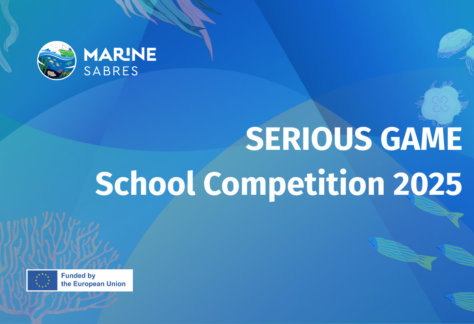
Marine SABRES School Competition 2025
The Marine SABRES project invites secondary school teachers across Europe to take part in the Marine SABRES School Competition 2025, an online learning experience built around a new serious game that brings pupils closer to the science of our ocean. This initiative is designed for teachers of natural and social sciences, English and CLIL, citizenship, and environmental or sustainability education, and supports both lower (10-13) and upper (14-18) secondary students. Only teachers can register and, on the day of the School Competition, they will mentor their students while they play the online serious game. The School Competition will take place...
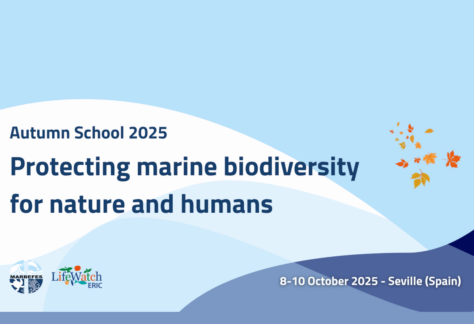
MARBEFES Autumn School 2025
The MARBEFES (MARine Biodiversity and Ecosystem Functioning leading to Ecosystem Services) project aims to evaluate and characterise the links between marine biodiversity, ecosystem functioning, ecosystem services and the resulting societal goods and benefits in coastal communities. The results of these evaluations feed into easy-to-use tools to help practitioners and policy maximise the ecological value and optimise a sustainable socio-economic use of the marine system for current and future generations. Autumn School 2025 The project members will present and examine these tools, for biodiversity and ecosystem assessment and measurement, and ecological, social and economic evaluation, during the Autumn School 2025 “Protecting...
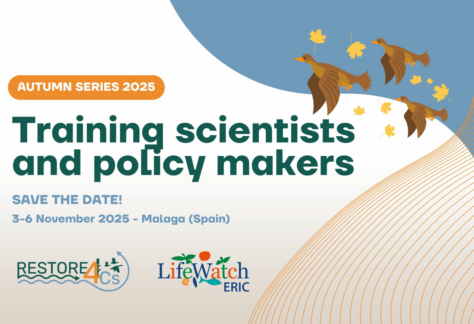
RESTORE4Cs Autumn Series 2025
The RESTORE4Cs (Modelling RESTORation of wEtlands for Carbon pathways, Climate Change mitigation and adaptation, ecosystem services, and biodiversity, Co-benefits) project assesses the role of restoration action on wetlands capacity in terms of climate change mitigation and a wide range of ecosystem services using an integrative socio-ecological system approach. The main output of the project consists of a digital platform that will serve as a Decision Support System (DSS) for stakeholders around wetland restoration for climate change mitigation, biodiversity, and other services. This platform will provide stakeholders and wetland practitioners at all levels with more reliable estimation of cost and benefits...
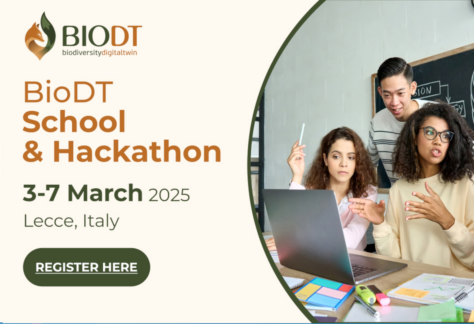
BioDT School and Hackathon
Building Digital Twins : The BioDT Experience The BioDT School and Hackathon will take place from March 3-7, 2025, at the heel of Italian Peninsula – in the city of Lecce, Italy. This unique event is designed for students, early-career researchers, and professionals interested in unlocking skills in digital modelling, and interested in latest innovation practices in biodiversity. Whether you are new to the concept of Digital Twins or looking to deepen your knowledge, this is the perfect opportunity to engage with leading experts and learn how digital twins are developed, especially through the lenses of BioDT use cases. Register for...
Cultural ecosystem services – testing pDT with experts
In the growing field of ecosystem services, cultural aspects often remain less explored than their provisioning and regulating counterparts. Seeking to address this imbalance, BioDT project organises an online workshop on March 21, 2024 delving into a pioneering prototype digital twin (pDT) dedicated to cultural ecosystem services. This prototype melds the potential for recreation (RP) with the tracking of biodiversity occurrence (BD), providing a multifaceted view of ecosystem services. BioDT pDT for Cultural ecosystem services Cultural ecosystem services (CES) significantly shape the human experience in natural environments, yet their modeling has lagged behind other ecosystem services. Recognising this gap, our...
Mastering Data Citation: Insights from the BioDT Research Infrastructures
Why is data citation crucial for biodiversity data? Data citation plays a pivotal role in advancing transparency, credibility, and collaboration within biodiversity research. It not only acknowledges the dedicated work of data collectors and curators but also streamlines the sharing and integration of invaluable biodiversity datasets. To illuminate the critical aspects of recognising and attributing biodiversity research datasets and to offer best practices for standardized dataset citation that duly recognises their creators and sources, ultimately enhancing data discoverability, reusability, and giving due credit to those managing it, we are thrilled to announce our forthcoming webinar. This event is in collaboration...
Mastering Data Citation: Insights from GBIF
Why is data citation crucial for biodiversity data? Data citation is a fundamental step in promoting transparency, credibility, and collaboration in the field of biodiversity research. It ensures that the hard work of data collectors and curators is recognised and facilitates the sharing and integration of valuable biodiversity datasets. To shed light on the crucial aspects of recognizing and attributing biodiversity research datasets, as well as to provide best practices for standardized dataset citation that acknowledge their creators and sources, ultimately making data more discoverable, reusable, and crediting those who collect and manage it, we are excited to announce our...
Share your Training Resources on the EOSC Portal
If you have training resources that you would like to register in the EOSC Training Catalogue on the EOSC Marketplace, we invite you to our upcoming webinar. This session will provide insights into the registration process and introduce you to the EOSC Knowledge Hub. Seamlessly integrated with the EOSC Portal, the EOSC Knowledge Hub is a platform that delivers a highly curated training resources catalogue and a state-of-the-art Learning Management System (LMS). The catalogue focuses on free (as well as paid-for, where applicable) training content pertinent to EOSC, its services and related FAIR and Open Science concepts. By bringing together...
EOSC providers Workshop: Creating effective usage instructions & tutorials for your services
In order for a service – or any resource – to be successfully and correctly used, clear and comprehensive usage instructions are absolutely essential. While those familiar with your organisation may only need a brief introduction to (new) features, potential new users will require much more detail – for example descriptions of how to interact with interfaces for both humans and machines, as well as examples of functionalities. In some cases the format of choice for the instructional materials will be documents with text and images, but other situations may require multimedia like video or animations. Common to both, is...
Service documentation for EOSC providers Workshop: describing your service for onboarding
Clear and comprehensive documentation is absolutely essential for a service – or any resource – to be discoverable and successfully used, both by existing and potential new target groups. There are many components of service documentation, including service catalogue entries, promotional materials, usage instructions and tutorials, technical specifications and richly commented code. As an example of the first of these, a brief description (answering the questions What? For whom? and Why use?) is a required metadata item to be provided during the onboarding of all resources into the EOSC Marketplace. In this workshop, we will start by giving an overview...
The LifeWatch ERIC Intensive School: Boost your research with semantic artifacts
In recent years, one of the major challenges in Environmental and Earth Sciences has been managing and searching larger volumes of data, collected across multiple disciplines. Many different standards, approaches, and tools have been developed to support the Data Lifecycle from Data Acquisition to Data Curation, Data Publishing, Data Processing and Data Use. In particular, modern semantic technologies provide a promising way to properly describe and interrelate different data sources in ways that reduce barriers to data discovery, integration, and exchange among biodiversity and ecosystem resources and researchers. This course is built as a five-day intensive school providing the knowledge...


Previous
Next